


 November 25, 2025
 Nautical news
As the boating season draws to a close, every responsible yacht owner faces the same crucial question: how to prepare your boat for winter and ensure your vessel remains in perfect condition until next season? At Adria Yachts, with our extensive experience in the marine industry, we guide dozens of yacht owners through this essential process each year.
Proper boat winterization isn’t just about maintenance – it’s an investment that protects your vessel’s value and ensures worry-free cruising in the coming season.
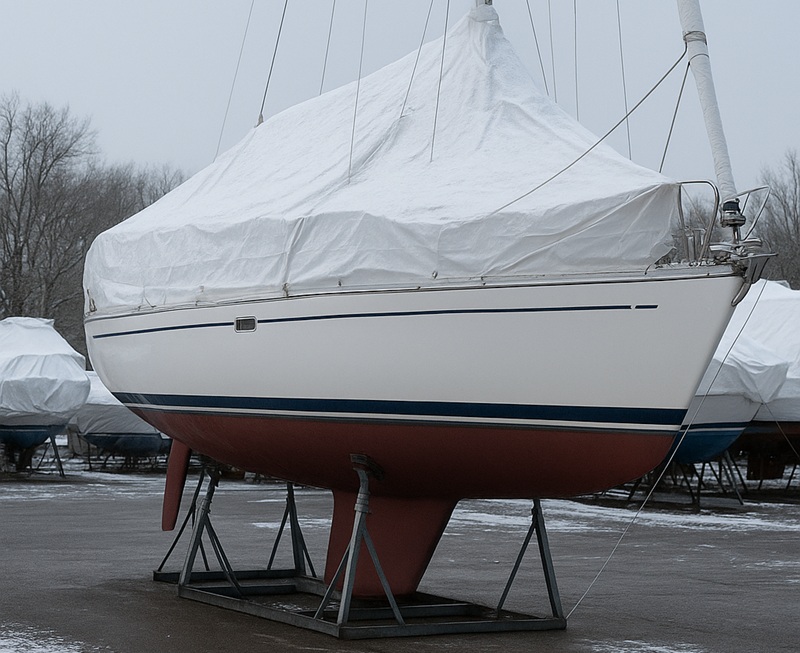
Why is Proper Boat Winter Preparation So Important?
Winter months present the greatest challenge for any vessel. Freezing temperatures, moisture, dormant systems, and exposure to harsh weather can cause serious damage to the hull, engine, electronics, and interior. According to our findings and years of experience servicing Bavaria yachts, approximately 70% of problems owners encounter in spring could have been prevented with adequate winter preparation.
Damage from improper winterization can be substantial and costly. From burst hoses due to frozen water, corrosion of metal components, fuel system damage, to electronics problems caused by moisture – these are all scenarios you can avoid with thorough preparation. Below, we present a detailed guide on how to prepare your boat for winter, based on our extensive experience with premium yachts.
Optimal Timing for Winter Preparation
The ideal time to begin preparing your vessel starts in late September or early October, depending on climate conditions in your area. In regions with mild coastal winters but challenging inland conditions, we recommend starting preparations no later than mid-October.
Early preparation gives you sufficient time to complete all tasks thoroughly, without rushing. Additionally, service centers and marinas are less busy then, making it easier to schedule haul-out appointments or professional services you may need.
Pre-Haul Preparations
Thorough Hull and Bottom Cleaning
Before hauling your boat out of the water, thoroughly clean the hull and bottom. This is the ideal opportunity to remove algae, barnacles, and other marine organisms that accumulate during the season. A clean hull enables better inspection of the gelcoat condition and easier detection of any damage requiring repair.
We recommend using professional cleaning products that won’t damage the gelcoat. At Adria Yachts, we use and recommend environmentally friendly products that clean effectively without polluting the environment.
Underwater Component Inspection
While the boat is still in the water, check the condition of the propeller, shaft, zincs (anodes), and through-hulls. This is the right moment to discover problems you can only detect while the boat is in its natural element. Photograph any suspicious areas for future reference or consultation with professionals.
Draining Tanks and Systems
One of the most critical steps in preparation is thoroughly draining all water systems. Frozen water can cause burst pipes, damaged pumps and valves, resulting in expensive repairs. Drain:
- All freshwater tanks
- Black (sanitary) tank
- Hot water system (water heater)
- Deck wash line
- Shower systems
- Bilge pumps
After draining, we recommend blowing compressed air through all water lines to ensure no residual water remains. Alternatively, you can use biodegradable antifreeze designed for marine systems, which protects pipes from freezing.
Engine Section: Your Vessel’s Heart
The engine is the most important and often most expensive part of your vessel, deserving special attention. How to prepare your boat for winter regarding the engine section? Here are expert recommendations based on Bavaria specifications and general best practices:
Engine Winterization
If you have a marine diesel engine, these are the key steps:
- Change engine oil and filter – Old oil contains acids and contaminants that can damage the engine during dormancy. Fresh oil provides protection throughout winter.
- Cooling system winterization – Add antifreeze to the closed cooling system according to manufacturer specifications. For systems using raw water, thoroughly flush the system with fresh water and add appropriate antifreeze.
- Replace fuel filter – Condensation during winter can lead to water in fuel. A fresh filter and addition of biodegradable fuel stabilizer are essential.
- Cylinder protection – Remove spark plugs (gasoline engines) or injectors (diesel) and spray protective oil into cylinders. Turn the engine manually several times to distribute the oil.
- Coating metal parts – Coat all visible metal surfaces on the engine with protective anti-corrosion spray.
Fuel System
Fill the fuel tank almost to the top (90-95%) and add fuel stabilizer. A full tank minimizes condensation, while stabilizer prevents fuel degradation during dormancy. Check and close all fuel valves.
Electrical System
Batteries deserve special attention:
- Remove all batteries from the vessel or fully charge and disconnect them
- If batteries remain on board, connect them to an intelligent charger/maintainer that prevents deep discharge
- Clean battery terminals and coat them with protective paste
- Turn off the main power switch
- Disconnect all unnecessary consumers
Photograph or note how cables are connected so you can easily restore everything in spring.
Interior and Deck Protection
Cabin Interior
Moisture is the interior’s greatest enemy during winter. Preventive measures include:
- Thorough cleaning and drying – Wash all surfaces and ensure the cabin is completely dry before closing
- Remove textiles – Take out mattresses, cushions, curtains, and covers and store them in a dry place
- Ventilation – Leave cabinets, drawers, and doors partially open so air can circulate
- Moisture absorption – Place bags of calcium chloride or silica gel throughout the cabin
- Mold prevention – Use anti-mold products in moisture-prone areas
Gas System
Safety is paramount:
- Close all valves on gas cylinders
- Ideally, remove cylinders from the vessel and store them in a safe, ventilated location
- Check the condition of hoses and connections – replace damaged hoses before next season
Windows, Openings, and Ventilation
Check all windows, hatches, and openings:
- Seals must be non-porous and intact
- All openings must close completely
- Windows can be slightly opened for ventilation if the boat is under cover
- Close and check through-hull valves (seacocks)
External Elements: Deck and Equipment
Equipment Removal and Storage
Professional preparation includes:
Sailboats:
- Remove all sails (main, jib, genoa, spinnaker)
- Wash them with fresh water and dry thoroughly
- Store them in a dry place, ideally in canvas bags
- Check the condition of seams and markings
Motor vessels and sailboats:
- Remove bimini tops if not designed for winter conditions
- Remove fenders – on land they can damage hull paint due to wind
- Dismantle moisture-sensitive navigation instruments
- Remove portable electronics (GPS, VHF radios, chartplotters)
- Remove bow anchor or secure it well
- Remove safety equipment for service and inspection
Gelcoat and Surface Protection
Gelcoat is your vessel’s outer protection and deserves attention:
- Thoroughly wash the entire vessel with appropriate products
- Apply protective wax to all gelcoat surfaces
- Protect teak wood with specialized oil
- Coat metal parts (cleats, hinges, handles) with protective compound
- Treat rubber seals with appropriate balm
Cover: Your First Line of Defense
A quality cover is one of the most important investments for winter storage. At Adria Yachts, we recommend:
Choosing the Right Cover
- Breathable material – Prevents condensation
- UV resistant – Protects from solar radiation
- Reinforcements at critical points – Long-lasting durability
- Proper size – Must not be too tight or too loose
Cover Installation
Proper installation is crucial:
- The cover must not contact the gelcoat – use protective pads
- Ensure adequate ventilation under the cover
- Tighten evenly to avoid water pooling
- Check condition regularly throughout winter
Choosing Winter Storage Location
The decision where your boat will winter significantly affects the level of preparation:
Winter Storage on Land (Dry Storage)
Advantages:
- Complete environmental control
- No risk from storms and waves
- Easier access for maintenance and repairs
- Lower risk of biological organisms on the hull
Preparation:
- Place the boat on stable supports (jack stands)
- Ensure weight is properly distributed
- Check that the hull is not in contact with hard surfaces
In-Water Winter Storage
Advantages:
- Lower costs
- Boat remains “in its element”
- Easier access for occasional visits
Additional measures:
- Secure the boat with additional lines
- Install extra fenders
- More frequent inspections during winter
- Check bilge water level regularly
Documentation and Insurance
Don’t forget administrative aspects:
- Verify winter storage coverage in your insurance policy
- Photograph the vessel’s condition before closing
- Document all work and services
- Notify your insurance company of winter storage location
- Keep receipts for service work
Winter Maintenance Plan
Even a properly prepared boat requires periodic checks:
Monthly Inspections
- Cover and mooring line condition
- Water accumulation on deck or in bilge
- Battery condition (if left on board)
- Signs of moisture or condensation in cabin
- Whether moisture absorption materials remain effective
After Storms
Visit the boat after severe storms and check:
- Is the cover damaged or displaced
- Are moorings still secure
- Any new damage
- Has water penetrated the interior
Preparing for New Season: Spring Commissioning
When warmer weather approaches, gradually “wake” your vessel:
- Remove the cover and ventilate the cabin
- Check all systems before restarting
- Charge batteries and return them to position
- Fill freshwater tanks
- Check all fluid levels in the engine
- First engine start should be brief
- Test all electrical and electronic systems
- Check navigation equipment
- Install fenders and equipment
- Take a test cruise before the first real voyage
Why Choose Professional Help?
At Adria Yachts, we offer complete vessel winter preparation services. Our team of certified technicians knows all the specifics of Bavaria yachts and motor vessels, but works equally skillfully with all types of vessels.
Professional preparation includes:
- Expert assessment of all systems’ condition
- Use of original spare parts and materials
- Winterization according to highest manufacturer standards
- Warranty on completed work
- Detailed vessel condition report
- Recommendations for necessary repairs
With over 25 years of experience in the marine industry and status as the official Bavaria yachts representative for Croatia, we possess the knowledge and tools necessary for premium preparation of your vessel.
Conclusion: An Investment That Pays Off
When you answer the question of how to prepare your boat for winter with a thorough plan and expert approach, you ensure not only your vessel’s safety but also worry-free cruising in upcoming seasons. Preparation may require some time and effort, but prevention costs are always lower than repair costs from damage caused by poor winterization.
At Adria Yachts, we understand that your yacht is more than a vessel – it’s an investment, a passion, and a source of priceless memories. That’s why we approach every winter preparation with the same care and professionalism that Bavaria yachts applies to manufacturing their vessels.
Don’t wait for the first freeze! Start preparations on time and contact our team of experts for advice, a quote, or complete winterization service. Your yacht deserves the best care – and we’re here to provide it.
FAQ – Most Common Questions About Winterizing Your Boat
Q: Why is it important to prepare a boat for winter?
A: Proper winterization prevents damage caused by moisture, corrosion, low temperatures, and system inactivity. It extends the lifespan of the vessel, reduces spring maintenance costs, and ensures the boat is ready for the new season without issues.
Q: When should I start preparing my boat for winter?
A: The ideal time is late September or early October—before cold nights and rainy weather begin. The rule is simple: the earlier, the better. Winterization takes time, and sudden temperature drops can damage the engine, tanks, and onboard installations.
Q: Does the boat need to be taken out of the water for winter?
A: Not necessarily, but it is recommended.
- Winter storage on land is safer, easier to maintain, and reduces the risk of water intrusion.
- Wintering afloat is an option only if the boat is checked regularly and if all seacocks, the bilge, and batteries are in good condition.
Q: Should sails be removed during winter storage?
A: Yes. Sails should be taken down, washed, and thoroughly dried before storing. Leaving sails on the mast during winter can lead to mechanical damage, torn stitching, and unnecessary wear caused by wind and moisture.
Q: How do I protect the boat’s engine during winter?
A: The engine must be properly winterized:
- Flush the cooling system
- Add protective antifreeze
- Change oil and filters
- Lubricate all moving parts
Winterization prevents corrosion, scale buildup, and cold-related damage.
Q: Should the fuel tank be full or empty during winter?
A: A full tank is recommended.
A full tank reduces condensation and prevents the growth of microorganisms (“diesel bug”) that can clog filters and damage the fuel system.
Q: How can I prevent moisture and mold inside the cabin?
A:
- Open all lockers and storage compartments
- Use moisture absorbers
- Ventilate regularly or ensure minimal air circulation
- Fully close all windows and deck hatches with proper seals
Q: What should be done with the batteries during winter?
A: Batteries should be fully charged, disconnected, and recharged periodically throughout the winter. If possible, keep them on a smart charger that maintains optimal voltage and prevents sulfation.
Q: Should the black water tank be emptied before winter?
A: Yes. The black tank must be emptied. After emptying, flushing the system is recommended to prevent odors, blockages, and bacterial buildup during long periods of inactivity.
Q: Is a professional winter service worth it?
A: Absolutely. Professional service saves time, minimizes the risk of mistakes, and ensures that the engine, systems, and installations are properly winterized. Adria Yachts offers expert winter preparation, greatly increasing the safety and reliability of your vessel.
Q: How long does boat winterization take?
A: On average, between 2–6 hours, depending on the type of boat, system condition, number of engines, and required service. Professional winterization may take longer due to detailed inspections and preventive maintenance.
Q: What should be done in spring after winter storage?
A: You should de-winterize the engine, check the batteries, test all systems, inspect the underwater hull, reinstall the sails, and check all safety equipment. Only then is the boat fully ready for the season.
